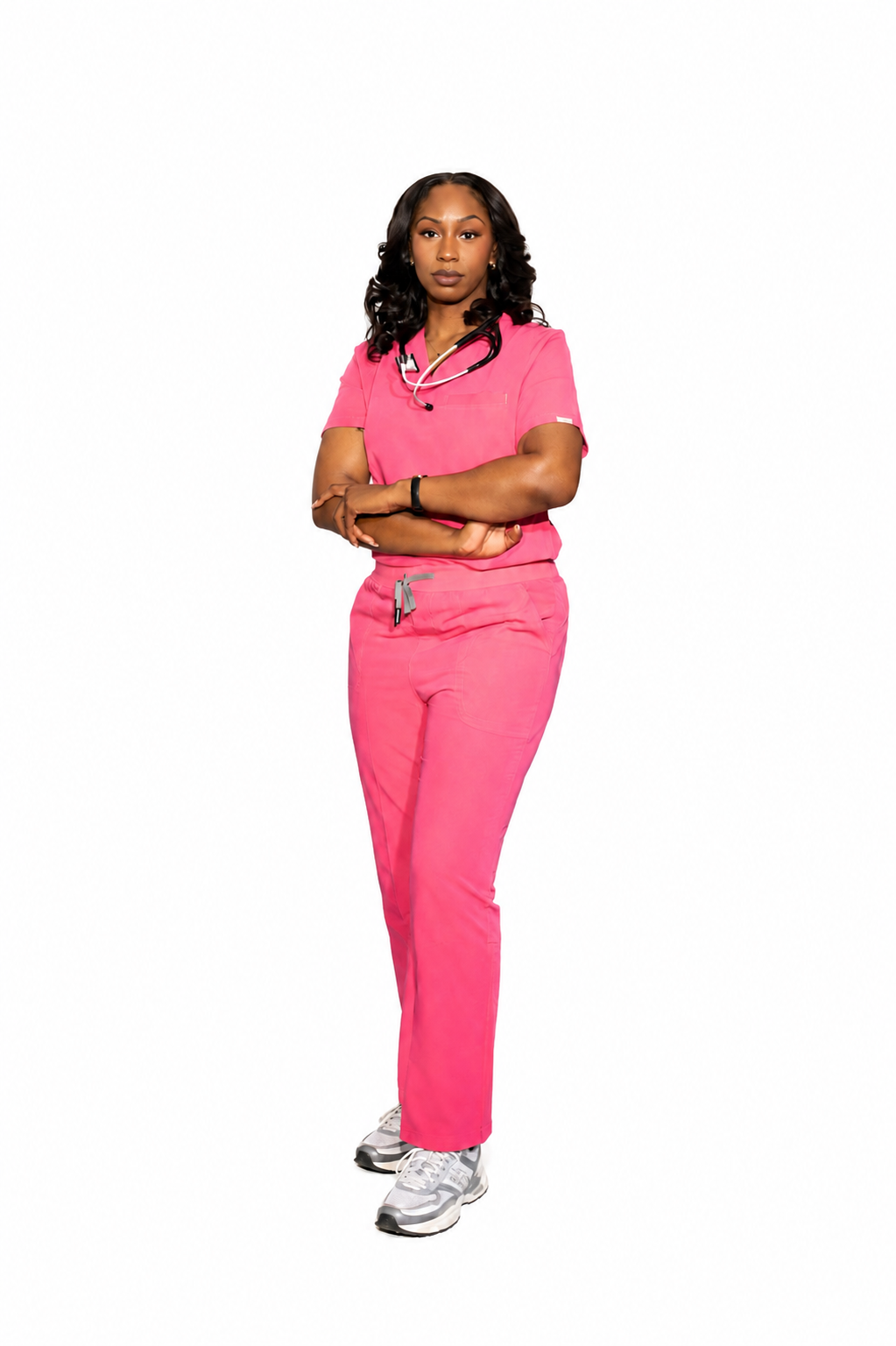
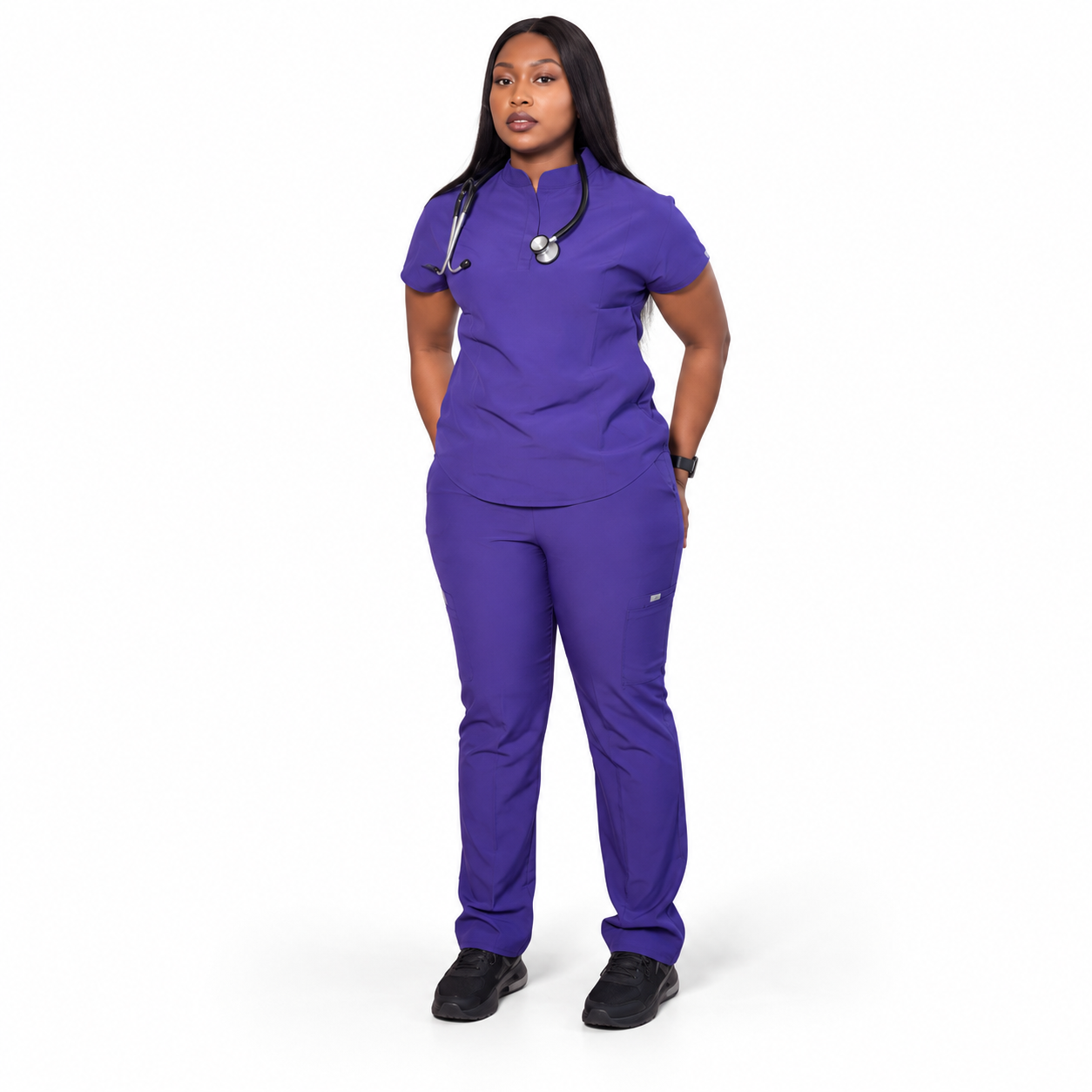
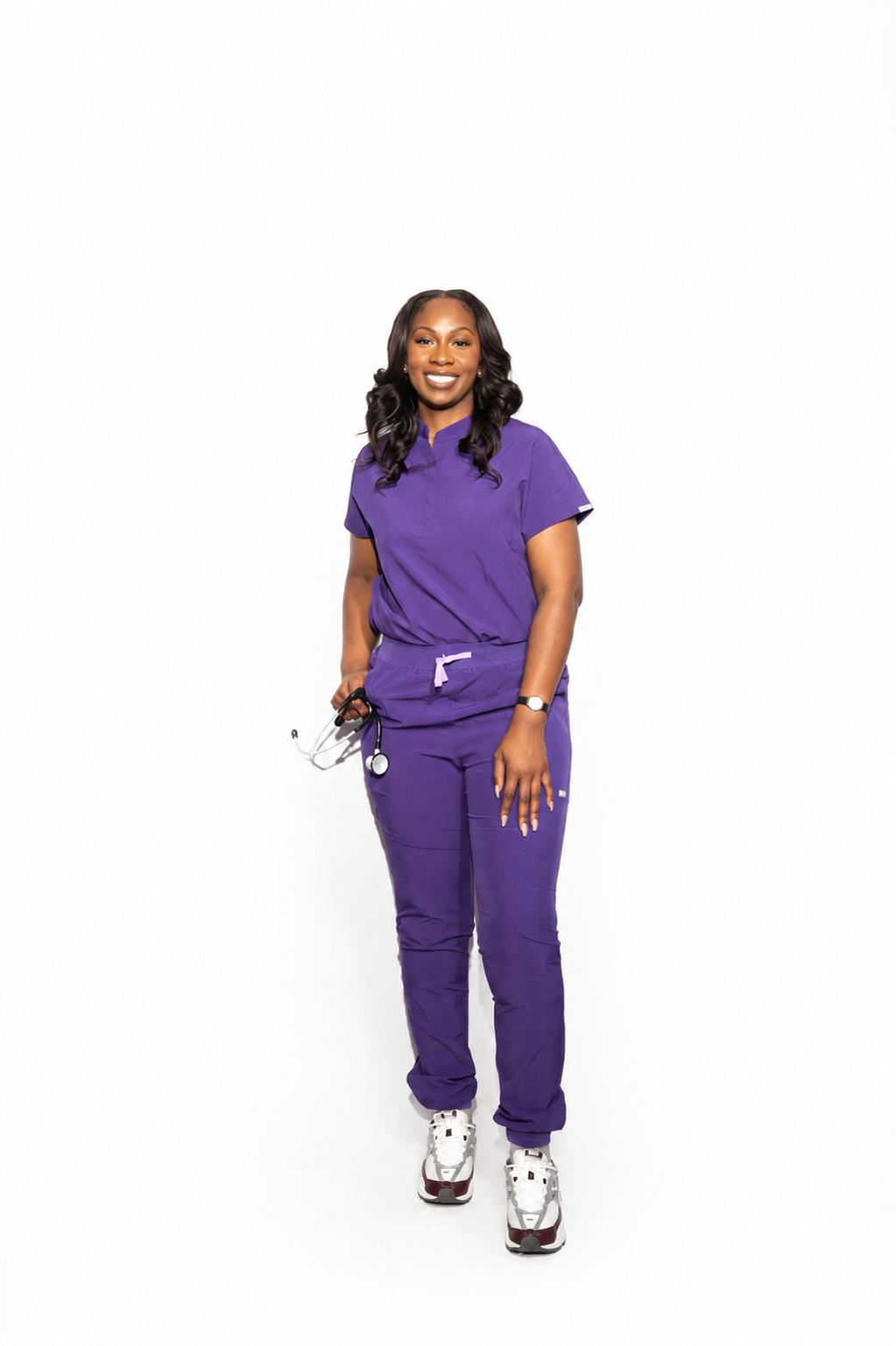
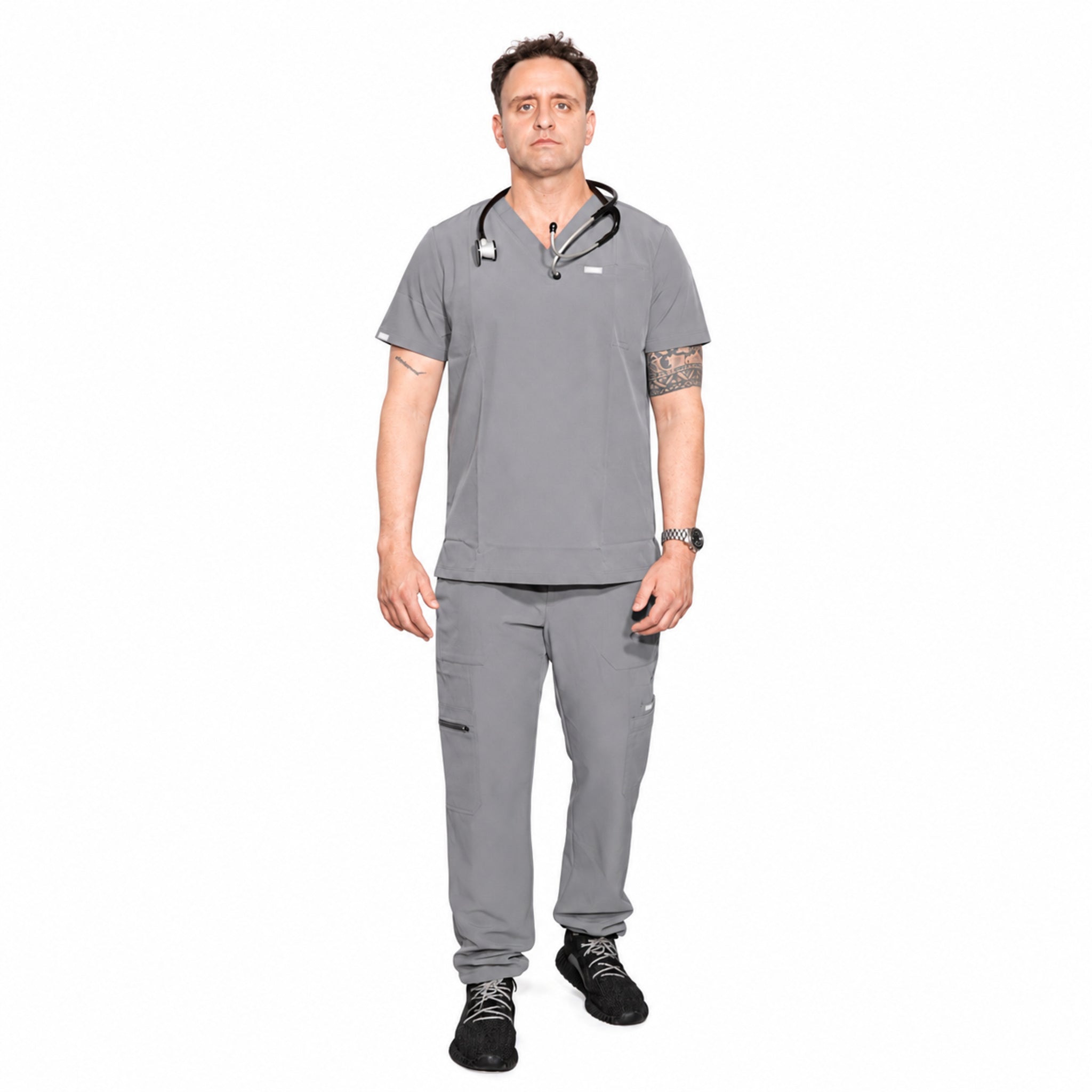
- If you've ever finished a 12-hour shift with aching, swollen feet, you already know that compression socks for nurses aren't a luxury — they're a lifeline. Long hours on hard floors, limited time to sit, and the physical demands of patient care put serious strain on your legs and feet. The right pair of compression socks can be the difference between powering through your third double shift and dreading the walk to your car.
We're nurses. We live this. That's why at MercyLuxe Medwear, we didn't just design compression socks — we tested them through real shifts, on real healthcare professionals, to make sure they actually deliver.
Here's everything you need to know about choosing the best compression socks for nurses, and why the right pair matters more than you might think.
---
Why Compression Socks Matter for Nurses
Nurses spend more time on their feet than almost any other profession. Studies consistently show that healthcare workers log between 4 and 8 miles per shift — often standing or moving for hours without a meaningful break. That kind of sustained pressure on the lower body leads to a cascade of physical issues:
• Venous pooling: When you're on your feet all day, blood can pool in your lower legs, leading to heaviness and fatigue.
• Swelling (edema): Fluid accumulates in the ankles and feet, making shoes feel tight by the end of a shift.
• Varicose veins: Over time, prolonged standing can weaken vein walls and valves — a real occupational hazard for nurses.
• Leg and foot fatigue: Tired legs affect your focus, your mood, and your ability to care for patients at the same level at hour 12 as you did at hour one.
Compression socks work by applying graduated pressure — tightest at the ankle, gradually decreasing up the calf — to support venous return and keep blood and fluid moving upward. The result: less swelling, less fatigue, and legs that feel meaningfully better by the end of the day.
---
What to Look for in Compression Socks for Nurses
Not all compression socks are created equal. Here's what separates a pair that actually performs from one that just looks the part:
Graduated Compression (15–20 mmHg or 20–30 mmHg)
Compression is measured in millimeters of mercury (mmHg). For most nurses, 15–20 mmHg offers excellent everyday support without feeling restrictive. If you're on your feet for longer shifts, deal with significant swelling, or are managing varicose veins, 20–30 mmHg provides stronger therapeutic support. Avoid novelty compression socks that don't list a clinical mmHg rating — they won't deliver the benefit you need.
Moisture-Wicking, Breathable Materials
Your feet work hard. You need a fabric that pulls moisture away, breathes through long hours, and doesn't leave you with that dreaded soggy-sock feeling mid-shift. Look for high-performance blends that balance compression with comfort — nylon and spandex combinations, or premium microfiber fabrics, tend to perform best in clinical environments.
Cushioned Sole and Arch Support
A cushioned sole reduces impact fatigue, especially on hard hospital floors. Built-in arch support takes pressure off the plantar fascia and distributes your weight more evenly. These details sound minor on paper but feel enormous after hour eight.
Durability That Holds Up to Frequent Washing
You're washing these socks constantly. Compression socks that lose their elasticity after a dozen washes are a waste of money. Quality compression socks for nurses should maintain their compression rating through repeated laundering — look for reinforced construction and high-grade elastic that won't sag or thin out.
Style You Actually Want to Wear
Let's be honest: if you love how they look, you'll wear them consistently. Compression socks that blend seamlessly with your scrubs — in clean, sophisticated colors or thoughtful designs — make the habit stick.
---
The Best Compression Socks for Nurses: Why MercyLuxe Stands Apart
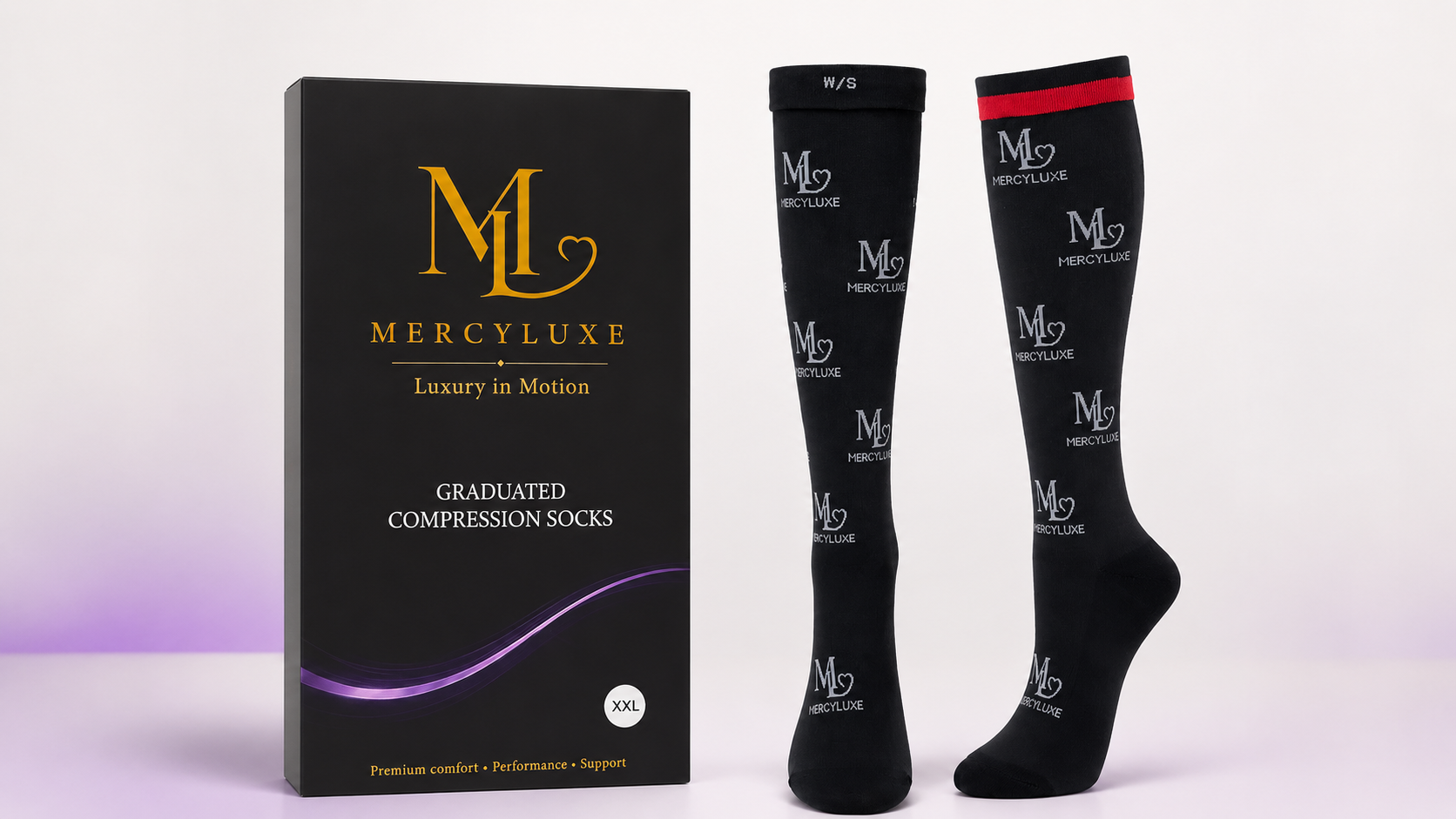
At MercyLuxe Medwear, our compression socks were designed from the ground up by nurses, for nurses. We didn't start with a generic compression garment and relabel it — we started with the specific demands of a 12-hour clinical shift and built backward from there.
Graduated Compression You Can Feel
Our compression socks deliver 20–30 mmHg of clinically meaningful graduated compression — the sweet spot for nurses who need real therapeutic support without sacrificing comfort. You'll feel the difference from the moment you put them on.
Premium Fabrics That Go the Distance
We use a high-performance microfiber blend engineered for breathability and moisture management. They stay fresh through back-to-back shifts and hold their compression rating wash after wash — because we know you don't have time to replace your gear every few months.
Cushioning Where It Counts
A padded sole and built-in arch support mean your feet are protected at every step, on every surface. From the ICU to the ER, these socks absorb impact and keep you moving with confidence.
Designed to Look as Good as They Feel
"Luxury in Motion" isn't just a tagline — it's the standard we hold every product to. Our compression socks come in elevated colorways that look polished with any scrub set. Because you deserve apparel that reflects the professionalism you bring to every shift.
---
H3: How to Get the Most from Your Compression Socks
A few simple habits make a real difference:
• Put them on first thing. Compression is most effective when your legs are not yet swollen — slip them on before you start moving around in the morning.
• Check the fit. Compression socks should feel snug but never painfully tight. If you experience numbness or severe tightness, size up.
• Wash after every shift. Consistent washing keeps the fabric performing and hygienically clean for clinical environments.
• Replace regularly. Even the best compression socks lose some elasticity over time. A good rule of thumb: replace every 3–6 months if you're wearing them daily.
---
Your Feet Deserve Better
You give everything to your patients. Your gear should give everything back to you.
The best compression socks for nurses don't just reduce swelling — they help you stay focused, stay comfortable, and stay standing for every patient who needs you. And when your scrubs and socks are working as hard as you are, you feel it.
Ready to make your next shift feel different?
Shop MercyLuxe compression socks and our full line of premium medical apparel at mercyluxemedwear.com. Designed by nurses. Built for the shift. Made for you